When you’re planning a new tattoo, most people start with the design — but where you place it can completely change how it looks, feels, and even how it ages. Placement isn’t just about visibility; it affects the pain level, detail, and long-term appearance of your tattoo.
At Inkredible Tattoo Studio, we help every client find the perfect balance between design, placement, and meaning, so the result looks natural and feels right for years to come. Here’s what you should know before deciding where your next tattoo goes.
1. Think About Visibility and Lifestyle
The first question to ask yourself is: do you want everyone to see it, or do you want it to be personal?
Visible tattoos — such as on the forearms, hands, neck, or calves — make a bold statement. They’re perfect if you’re comfortable showing your ink daily or if you work in a creative environment.
If you prefer something more discreet, consider the upper arm, thigh, ribs, or back. These areas allow you to cover the tattoo when needed while still giving you plenty of space for larger designs.
Remember: your lifestyle matters. If you’re in a profession with dress codes or frequent client contact, placement flexibility can make all the difference.
2. Tattoo Pain Levels: What to Expect
Let’s be honest — some tattoo spots hurt more than others. While everyone’s pain tolerance is different, certain body areas are known to be more sensitive. Areas with more muscle or fat tend to be easier to handle, while bony or thin-skinned areas can feel sharper and more intense.
Less painful tattoo areas:
- Outer upper arms
- Thighs
- Calves
- Forearms
- Shoulders
More painful tattoo areas:
- Ribs and stomach
- Spine and neck
- Ankles and feet
- Hands and fingers
- Inner biceps and inner thighs
If you’re getting your first tattoo, it’s usually best to start with a medium-pain area such as the upper arm, forearm, or thigh. This helps you enjoy the experience and understand how your body reacts before moving on to more sensitive placements.
3. Tattoo Size and Design Matter
Not every design fits every spot. For example, a long, vertical piece might look stunning on the forearm, calf, or spine, but awkward on the chest. A circular or symmetrical tattoo works beautifully on the shoulder, upper back, or thigh.
Before you commit, your artist will help you map the design on your body to ensure the proportions fit your shape and natural lines.
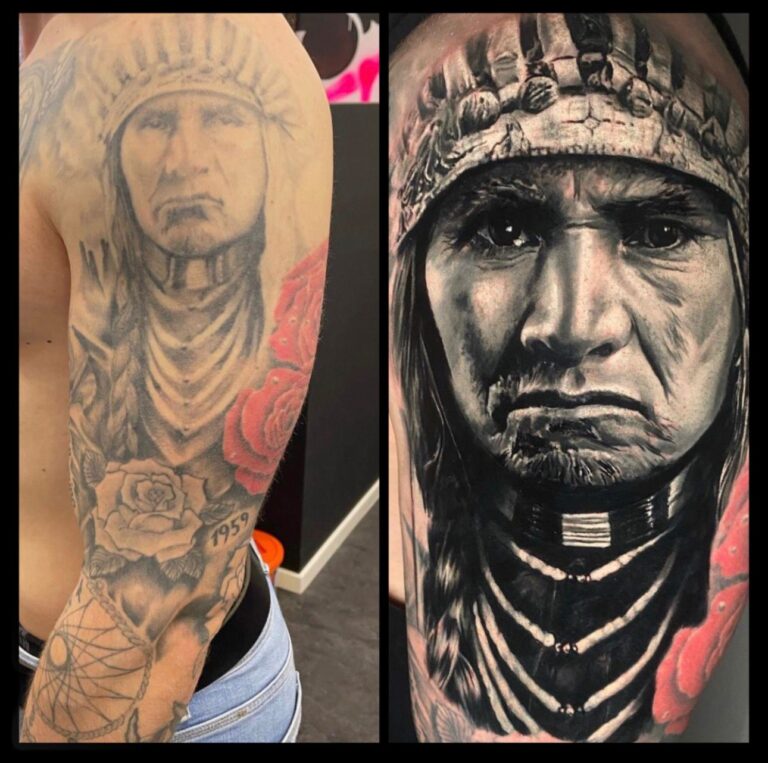
Large-scale pieces — such as sleeves, back pieces, or leg tattoos — require space and flow, so placement planning is essential from the start. If you think you might want to expand later (for example, turning a forearm tattoo into a full sleeve), it’s best to plan ahead with your artist.
4. How Placement Affects Tattoo Longevity
Some parts of the body naturally hold ink better than others.
Areas that experience a lot of movement, friction, or sun exposure can cause tattoos to fade or blur faster over time.
High-friction areas like fingers, wrists, and feet are prone to faster fading.
Sun-exposed areas such as forearms and necks require diligent sun protection.
Stretching areas (like the stomach or hips) can alter the tattoo’s shape over the years.
If you want your tattoo to stay sharp and bright for decades, consider a low-friction, well-protected area like the upper arm, thigh, or back — and always use sunscreen once it’s healed.
5. Matching Placement with Meaning
Placement can also add emotional or symbolic significance to your tattoo.
- Heart-side chest tattoos often represent love, loyalty, or memorial pieces.
- Forearm tattoos symbolise strength and visibility — they’re “out in the open.”
- Back tattoos can represent protection, life journeys, or personal stories carried with you.
- Leg tattoos sometimes mark movement, growth, or progress in life.
- Think about what your tattoo represents and where that message feels most at home on your body.
6. How Your Body Shape and Movement Affect the Design
Every body is different — and that’s a good thing. A great artist will design around your natural muscle curves, joints, and posture, so the tattoo flows with you instead of fighting against your anatomy.
For example:
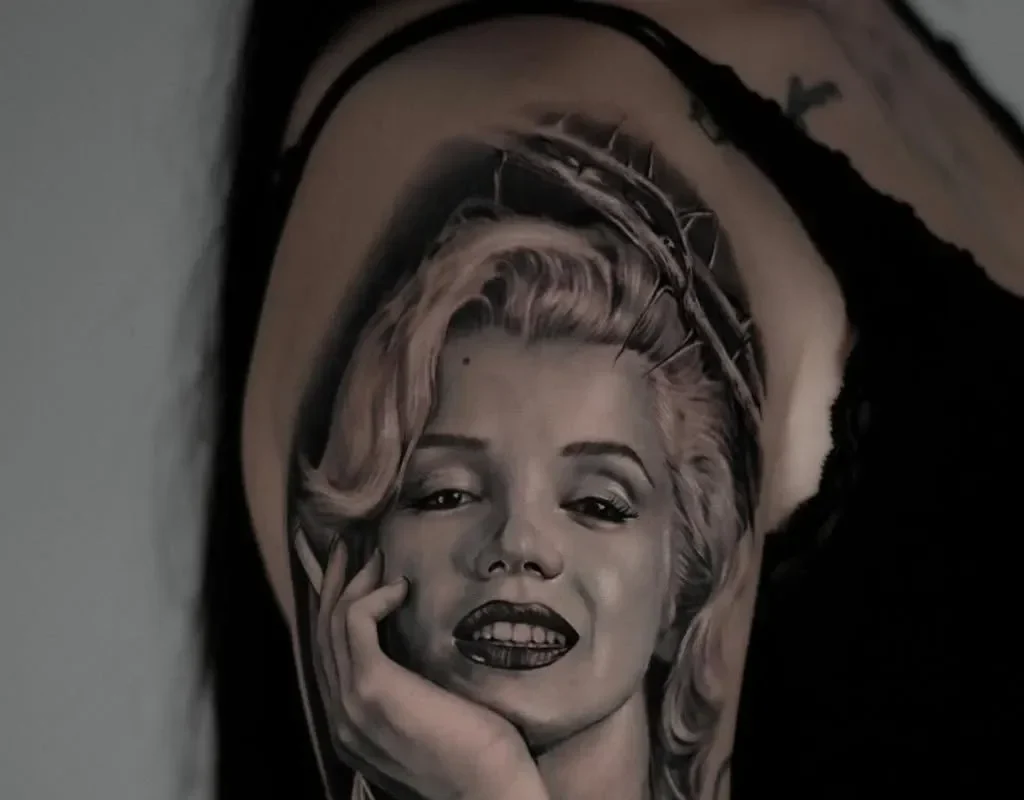
- Curved designs look more dynamic on rounded areas like shoulders or thighs.
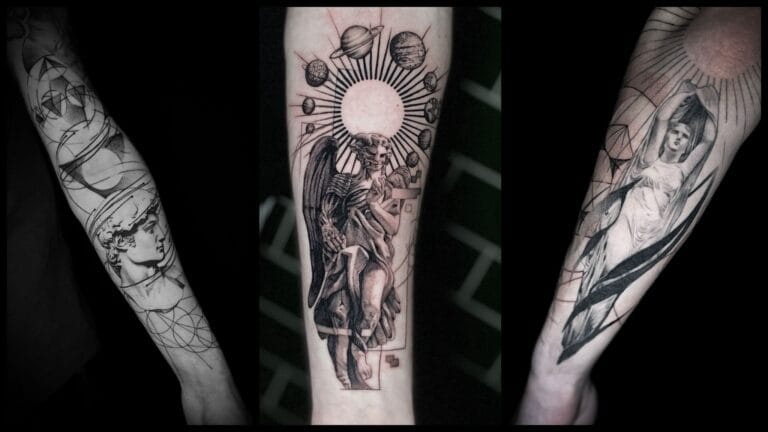
- Straight, structured designs stand out on forearms or shins.
- Areas that flex a lot (like elbows or knees) may distort fine detail, so the design might need simplifying.
A skilled tattoo artist doesn’t just draw on your skin — they design for your skin.
7. Future Planning: Will You Add More Later?
If you already know you’ll want more tattoos, planning ahead saves headaches later.
For example:
- • Starting a forearm piece with expansion in mind makes it easier to build into a half-sleeve.
- • A chest tattoo can flow into a full front piece if positioned correctly.
- • Leg tattoos can connect smoothly from thigh to ankle when designed with placement in mind.
Your artist can guide you on how to place new tattoos in a way that keeps everything cohesive — both artistically and anatomically.
8. Trust Your Artist’s Eye
Ultimately, the best tattoo placements come from collaboration. You bring your vision; your artist brings the technical knowledge.
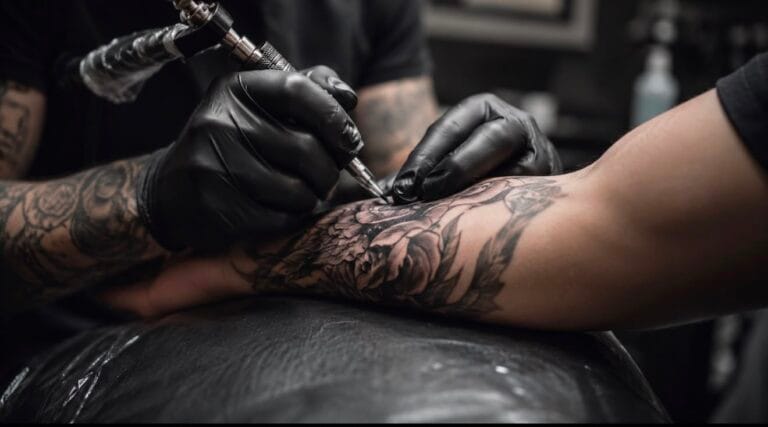
At Inkredible Tattoo Studio, we help clients visualise how designs will look on different parts of the body using sketches and placement stencils. We’ll advise what works best for longevity, detail, and body flow — without ever forcing a choice.
The goal is simple: a tattoo that looks incredible today and still feels right years down the line.
Final Thoughts: Placement Is Part of the Art
Choosing where to put your tattoo is just as important as choosing what it will be. The right placement enhances the artwork, complements your body, and gives your tattoo the best chance to age beautifully.
Whether you’re planning your first small design or a large-scale project, take your time — talk to your artist, think about your lifestyle, and visualise how it’ll look as part of you.
Your skin is your canvas, and placement is what makes the art truly yours.