Japanese tattooing, traditionally known as Irezumi, is one of the oldest and most respected tattoo styles in the world. Rich in symbolism, history, and visual impact, Japanese tattoo designs are far more than decorative artwork. Each element carries meaning, cultural significance, and a connection to centuries of storytelling. For those who appreciate depth, tradition, and craftsmanship, Japanese tattoos represent true art for life.
The Origins of Japanese Tattooing
The roots of Japanese tattooing stretch back thousands of years. Early forms of body marking were believed to have spiritual or protective purposes. Over time, tattooing evolved through different periods of Japanese history, sometimes celebrated and sometimes stigmatised.
During the Edo period, tattooing became closely linked to the working class and later to organised crime, which led to social taboos that still exist today. Despite this, traditional Japanese tattoo art survived and evolved, preserved by dedicated artists who respected its structure, rules, and symbolism.
Today, Japanese tattoos are admired worldwide for their bold composition, flowing designs, and deep cultural meaning.
Symbolism at the Heart of Japanese Tattoos
One of the defining features of Japanese tattoo design is symbolism. Every subject, background, and colour choice tells a story.
Dragons are among the most iconic motifs, symbolising wisdom, strength, and protection. Unlike Western dragons, Japanese dragons are benevolent and associated with balance and natural forces.
Koi fish represent perseverance, courage, and transformation. The legend of the koi swimming upstream to become a dragon makes it a powerful symbol of overcoming adversity.
Tigers symbolise strength, bravery, and protection against bad luck, while snakes are often associated with rebirth, healing, and good fortune.
Floral elements play an equally important role. Cherry blossoms represent the beauty and impermanence of life, peonies symbolise wealth and courage, and chrysanthemums are linked to longevity and royalty.
Composition and Flow
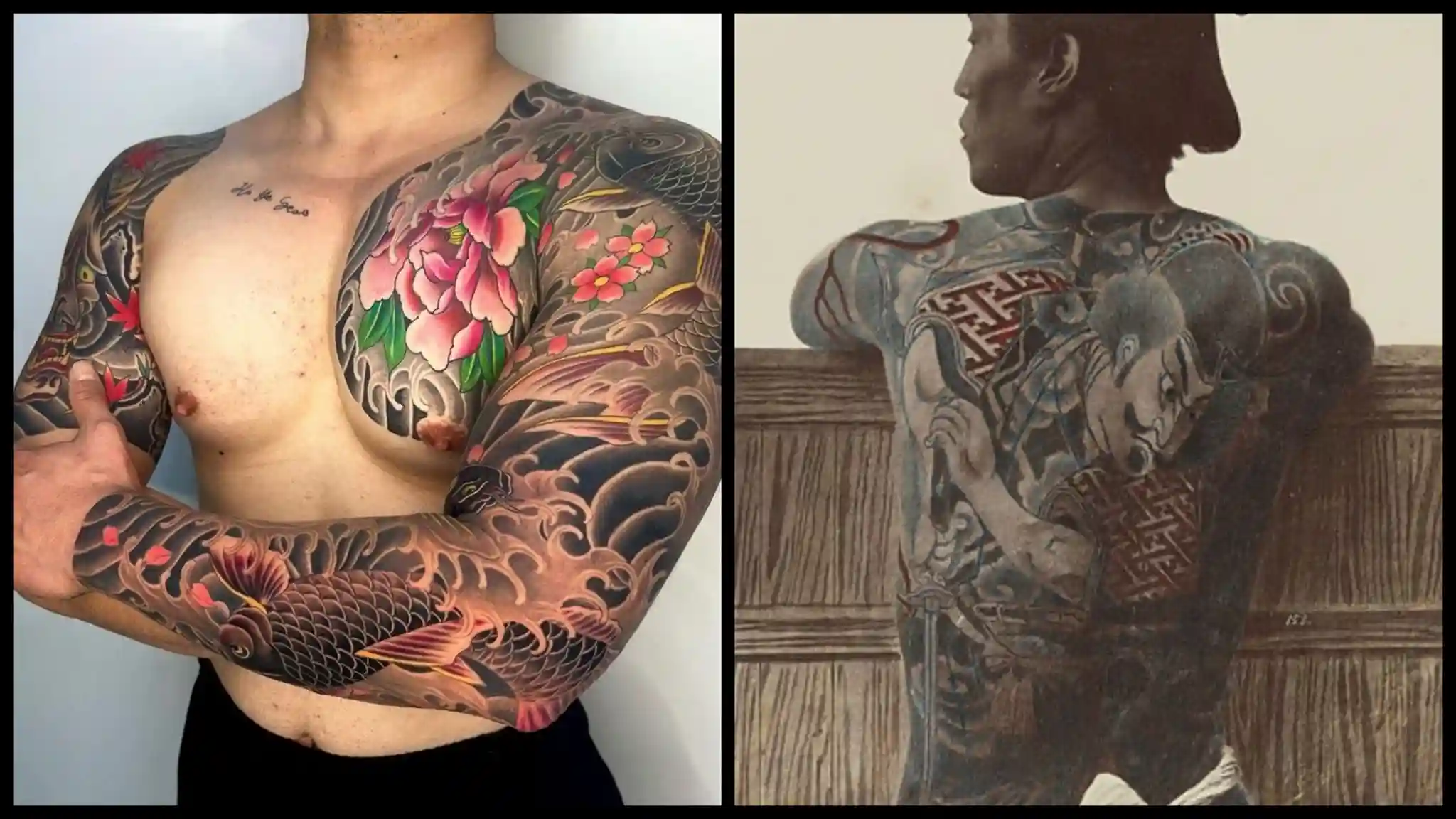
Japanese tattoos are known for their distinctive composition. Rather than isolated images, traditional Japanese designs are created as complete scenes that flow naturally with the body.
Background elements such as waves, clouds, wind bars, and smoke are essential parts of the design. They create movement, balance, and cohesion, allowing the main subject to breathe and stand out.
This approach is why Japanese tattoos are especially suited for large-scale projects such as sleeves, back pieces, chest panels, and full body suits. The design is built to complement the body’s natural shape and movement rather than sitting flat on the skin.
Traditional vs Modern Japanese Tattooing
While traditional Japanese tattooing follows established rules of composition and symbolism, modern Japanese-style tattoos allow for more creative freedom.
Some clients choose strict traditional designs with limited colour palettes and classic motifs, while others prefer a contemporary interpretation that blends Japanese imagery with modern techniques, realism, or black-and-grey work.
Both approaches require a deep understanding of the style. A true Japanese tattoo should always respect balance, flow, and symbolism — even when modern elements are introduced.
The Commitment Behind Japanese Tattoos
Japanese tattoos are not quick or impulsive. Large-scale pieces often take multiple sessions and require patience, planning, and trust between client and artist.
The process begins with detailed consultation, discussing not only the design but also its meaning, placement, and long-term vision. Many Japanese tattoos are designed with future expansion in mind, allowing smaller pieces to grow into sleeves or full back compositions.
This commitment is part of what makes Japanese tattooing so meaningful. The journey is just as important as the finished artwork.
Why Experience Matters in Japanese Tattooing
Japanese tattooing demands precision, planning, and respect for tradition. Line weight, spacing, colour saturation, and flow all play critical roles in how the tattoo ages.
An experienced artist understands how these elements work together and how to adapt them to different body types and skin tones. Poor execution can disrupt balance and compromise the tattoo’s longevity.
At Inkredible Tattoo Studio, Japanese tattoos are approached with the care and expertise they deserve. Our artists respect the history of the style while applying modern techniques to ensure clean, long-lasting results.
Japanese Tattoos as Art for Life
A Japanese tattoo is not just a design — it is a narrative woven into the skin. Each piece reflects personal values, life experiences, and a connection to a timeless artistic tradition.
For those drawn to depth, symbolism, and visual impact, Japanese tattooing offers something truly special. When done properly, it remains powerful, readable, and beautiful for decades.
Japanese tattoos are not trends. They are living artwork, designed to evolve with the wearer and stand the test of time.