Fine line tattoos have become increasingly popular in recent years, admired for their delicate appearance, subtle detail, and minimalist aesthetic. Characterised by thin, precise lines and understated designs, fine line tattooing offers a refined alternative to bold traditional styles. However, while fine line tattoos can be beautiful, they also require a high level of skill, planning, and understanding of longevity.
At Inkredible Tattoo Studio, fine line tattoos are approached with the same professionalism and care as any large-scale project — because subtle work leaves no room for mistakes.
What Defines a Fine Line Tattoo
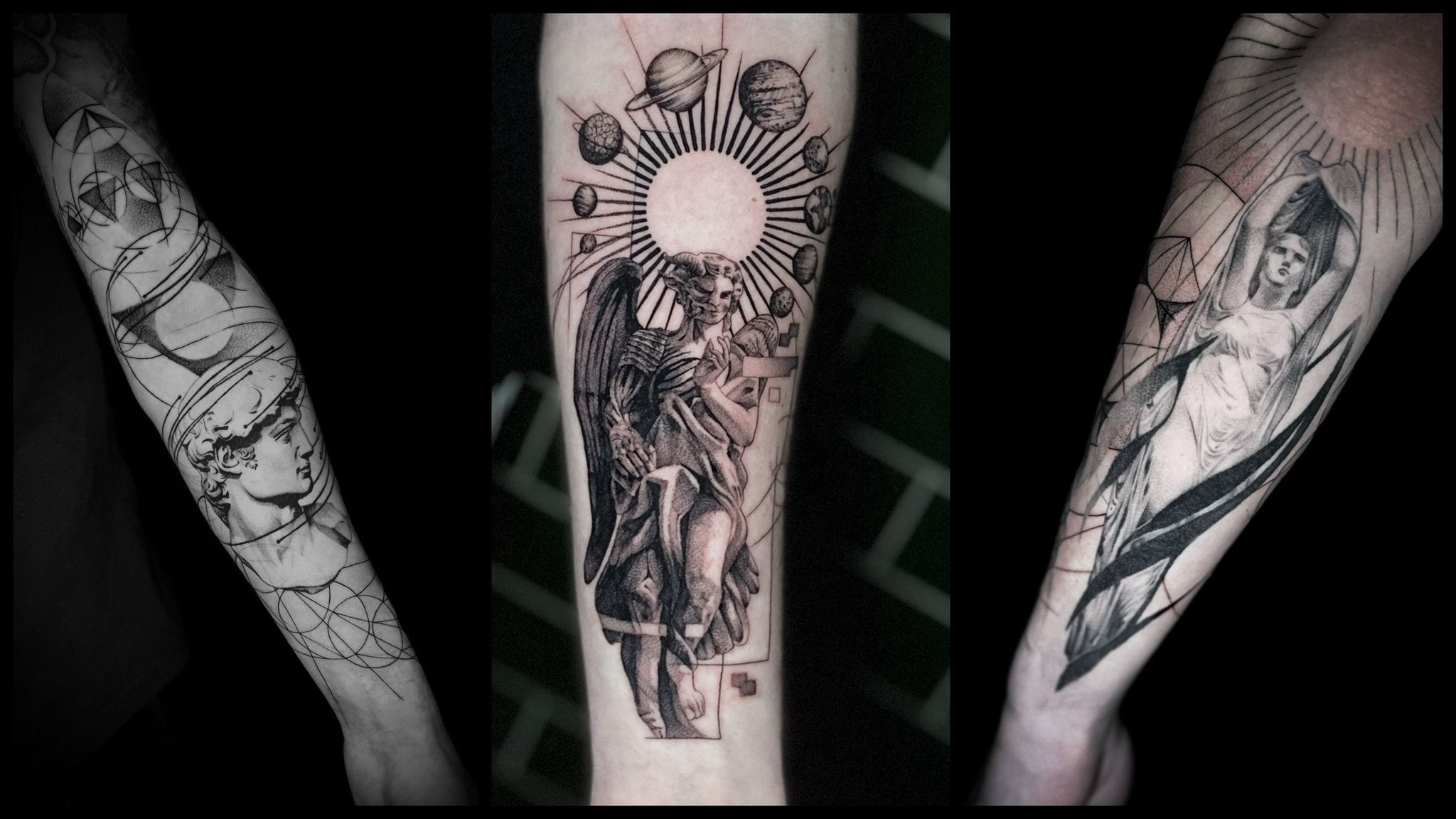
Fine line tattoos are created using single-needle or very small needle groupings, producing clean, lightweight lines rather than bold outlines. Designs often include minimal symbols, script, floral elements, geometric shapes, and illustrative imagery.
The appeal of fine line tattooing lies in its elegance. These tattoos feel intimate and personal, often chosen for their softness and understated presence on the skin. However, their simplicity is also what makes them technically demanding.
Why Fine Line Tattoos Require Experience
One of the biggest misconceptions is that fine line tattoos are “easy” because they look simple. In reality, the opposite is true.
Thin lines must be placed at the correct depth with absolute consistency. Too shallow, and the tattoo may fade quickly. Too deep, and the line can spread or blur over time. There is very little margin for error.
Experienced artists understand how different skin types respond to fine line tattooing and how factors such as placement, movement, and healing affect the final result. This knowledge only comes from years of practice.
Longevity and Ageing of Fine Line Tattoos
Longevity is one of the most important topics to consider when choosing a fine line tattoo. All tattoos spread slightly over time as the skin naturally regenerates. Fine line tattoos, because of their thin structure, are more sensitive to this process.
This does not mean fine line tattoos are temporary or poorly made — but they must be designed with ageing in mind. Spacing, contrast, and line weight need to be carefully calculated so the tattoo remains readable years later.
Poorly planned fine line tattoos can fade unevenly or lose clarity. Well-executed fine line tattoos, created by experienced artists, age gracefully and maintain their elegance.
Placement Matters More Than You Think
Placement plays a crucial role in how a fine line tattoo heals and ages. Areas with high friction, frequent movement, or heavy sun exposure — such as fingers, wrists, feet, and ribs — may cause faster fading.
Fine line tattoos generally perform best on areas with stable skin, such as the upper arm, forearm, shoulder, thigh, or back. During consultation, a professional artist will always advise on placement that supports longevity, not just aesthetics.
Choosing the right placement is part of respecting the tattoo as a long-term investment.
Fine Line vs Bold Tattoos
Why this works
• Fine line tattoo artist close-up → highlights precision and technical skill
• Minimalist fine line tattoo → visually matches the blog’s theme of delicacy and control
• Clean professional studio aesthetic → reinforces trust, hygiene, and high standards